Consider Laser Cleaning
When targeted cleaning and control over the treatment area are priorities, subject to material compatibility and testing.
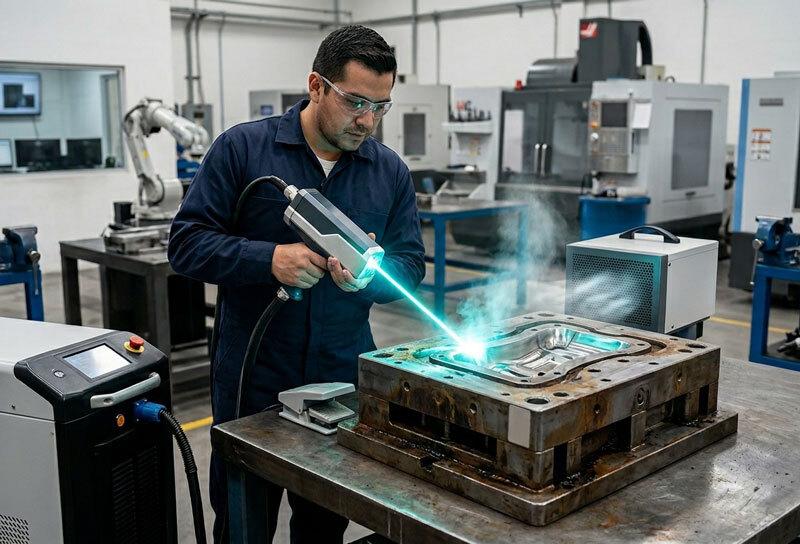
Choosing the right surface cleaning method depends on the material, contamination and desired finish. Compare laser cleaning, sandblasting and chemical stripping to understand how each method works and which may suit your project.
Laser cleaning, abrasive blasting and chemical stripping each suit different jobs. Compare surface compatibility, precision, waste handling and the finish required to help choose the right method.
| Performance Metric | Pro Laser Cleaning | Sandblasting / Abrasives | Chemical Stripping |
|---|---|---|---|
| Substrate Protection | Settings can be tailored; assess the material first. | May alter texture or erode the surface. | Incompatible products may affect the substrate. |
| Secondary Waste | No blast media; collect removed material and fumes as needed. | Used media and debris need management. | Residues require safe handling and disposal. |
| Precision Control | Targets selected areas with suitable settings. | Depends on media, pressure and technique. | Depends on product and exposure time. |
| Environmental Considerations | No stripping chemicals; extraction may still be needed. | Dust may require containment and extraction. | Consider exposure, runoff and disposal. |
| Heritage & Delicate Materials | May suit selected materials after testing. | Impact may damage fine details. | May stain or etch porous surfaces. |
Laser cleaning, abrasive blasting and chemical stripping each suit different surface preparation tasks. The right choice depends on the material, contamination, precision required and waste handling.
For suitable projects, laser cleaning offers targeted treatment without abrasive blasting media. Results depend on the material, contamination and equipment settings.
Laser parameters can be adjusted to suit the application. Correct settings and testing are important to reduce the risk of unwanted changes to the underlying surface.
Laser cleaning does not require sand or other abrasive blasting media. However, removed rust, coatings, particles and fumes may still need to be collected and managed.
For suitable applications, laser cleaning may provide an alternative to chemical stripping products. The right method depends on the coating, substrate and project requirements.
Laser energy can be directed towards selected areas, making it worth considering for components that require controlled treatment or detailed cleaning.
Cleaning settings and the work process can be selected according to the surface and contamination. Complex projects may require inspection and testing before the full job begins.
The overall cost depends on the job size, preparation, equipment, labour, waste handling and required finish. Comparing the full project costs helps determine which cleaning method offers the best value.
There is no single method for every surface. Start with the material, the coating or contamination, and the finish you need.
Selection should account for the required surface profile, coating system, possible hazards in existing coatings and the size of the job. See Queensland workplace codes of practice for regulatory context on abrasive blasting. This link is general guidance, not a statement that any particular method is automatically compliant.
When targeted cleaning and control over the treatment area are priorities, subject to material compatibility and testing.
When the job calls for abrasive surface preparation and the substrate can tolerate the selected media and process.
When a compatible stripping product suits the coating and safe handling, ventilation and disposal controls are available.
A surface assessment helps confirm the practical option. Results and suitability vary by material and application.
Laser ablation uses focused energy to lift selected rust, paint or coatings from a surface. The correct settings depend on the material and contaminant.
Identify the surface and contamination.
Choose suitable settings; test sensitive materials.
Treat the target area with suitable safety controls.
Check results against the agreed requirements.
Not every surface is suitable. Existing pitting or damage may need separate treatment.
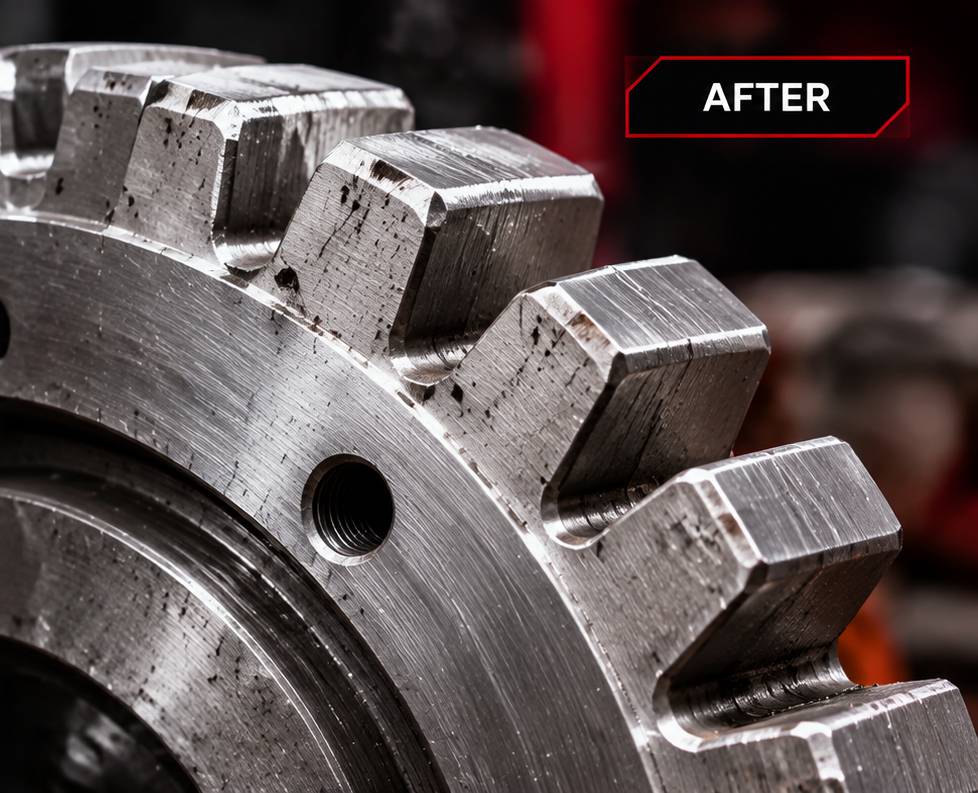
Not sure whether laser cleaning, sandblasting or another method is right for your project? Contact Pro Laser Restoration to discuss the material, contamination and finish you need.